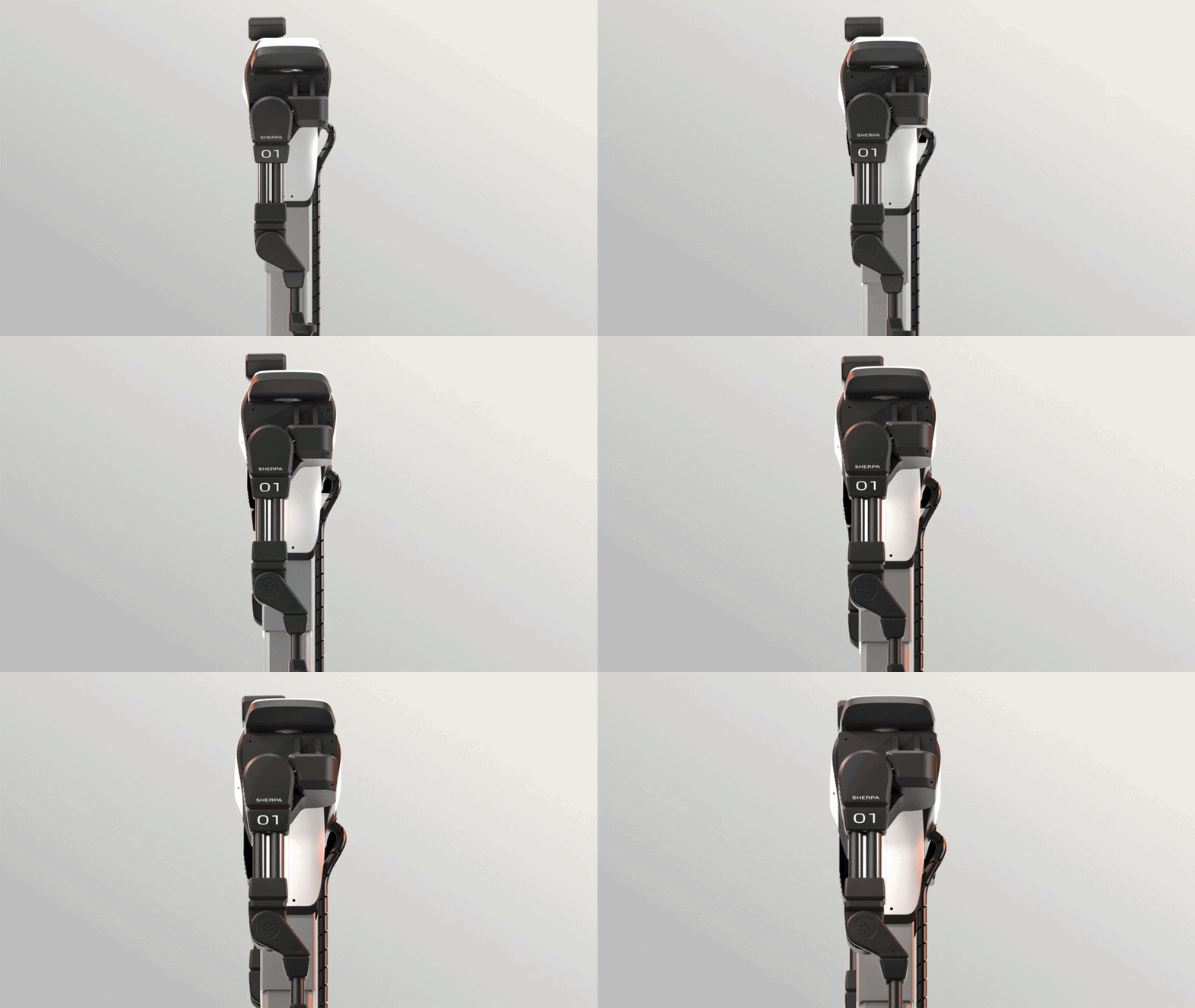
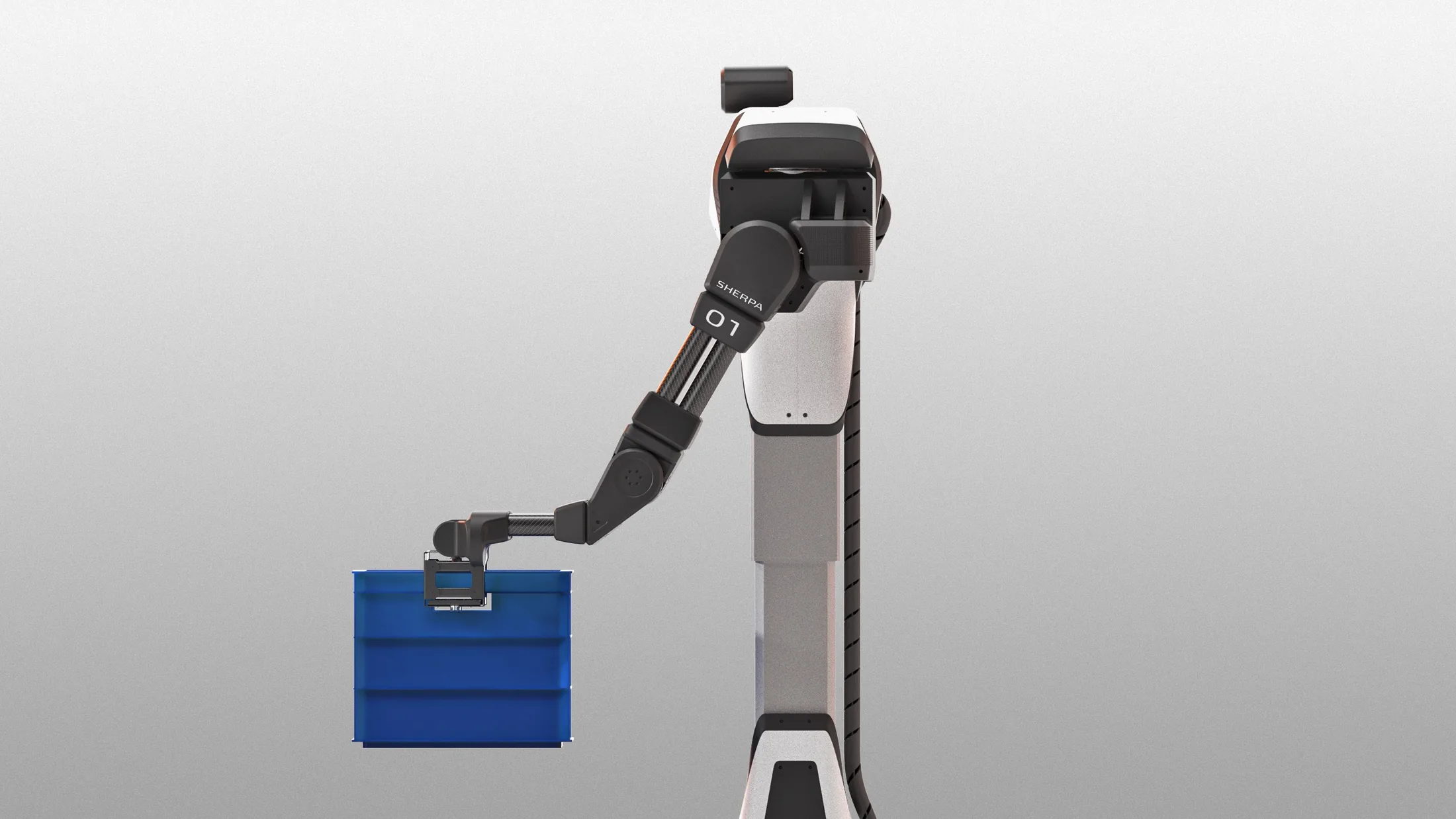
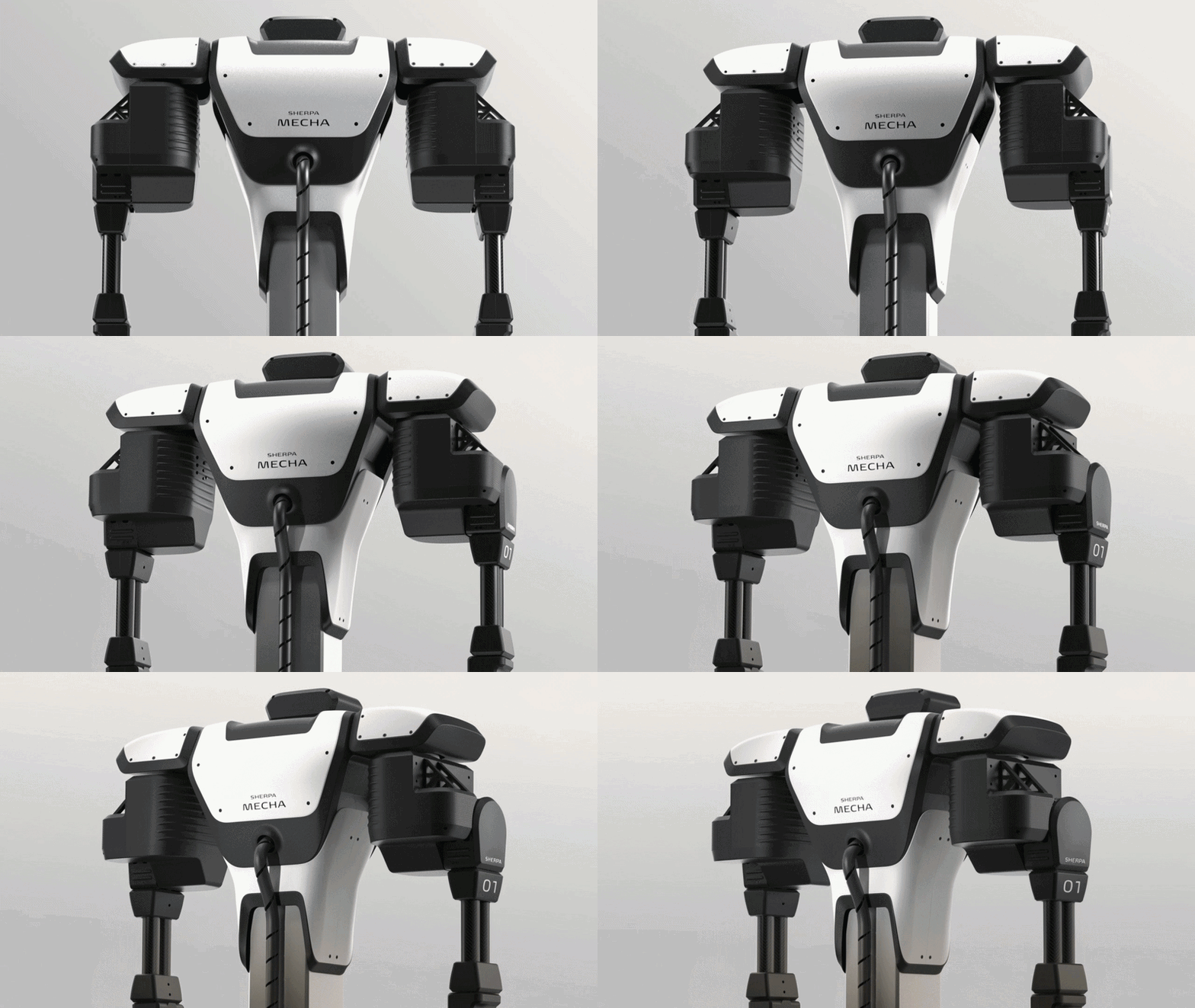
Exposed carbon-fibre tubes
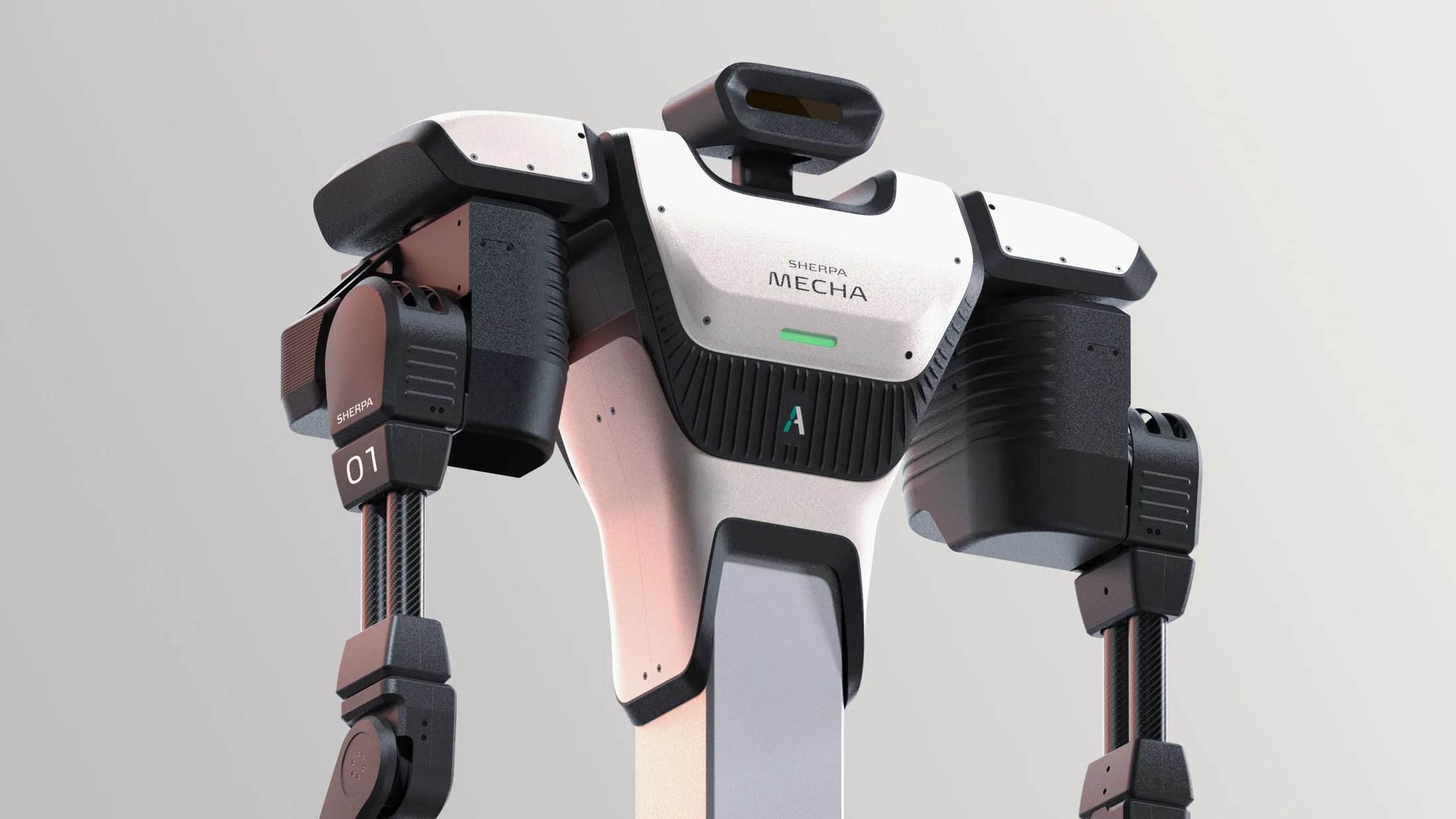
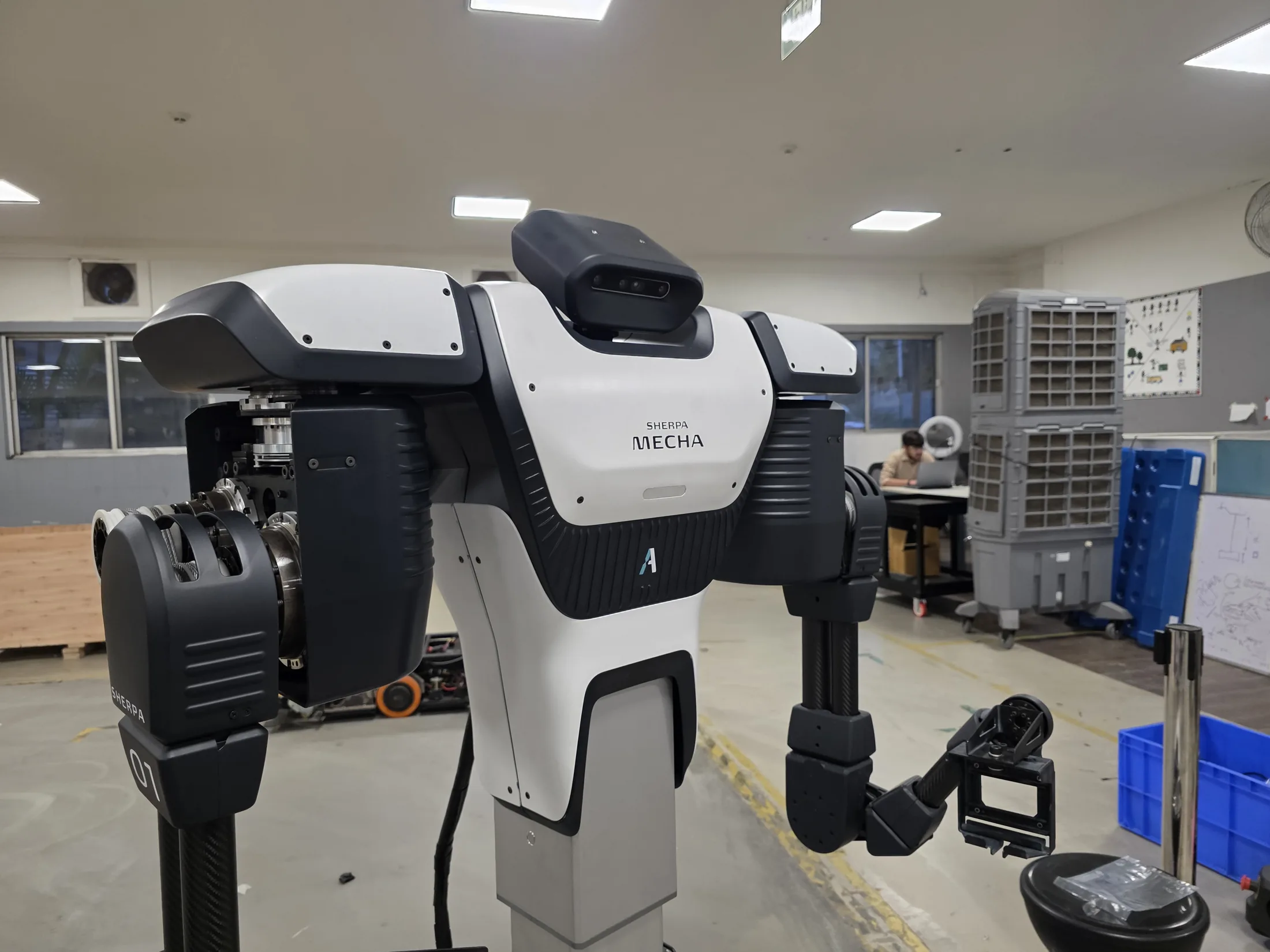
Keeping the tubes visible expresses the material and gives the arms a clear structural character.
 Krishna Gilda
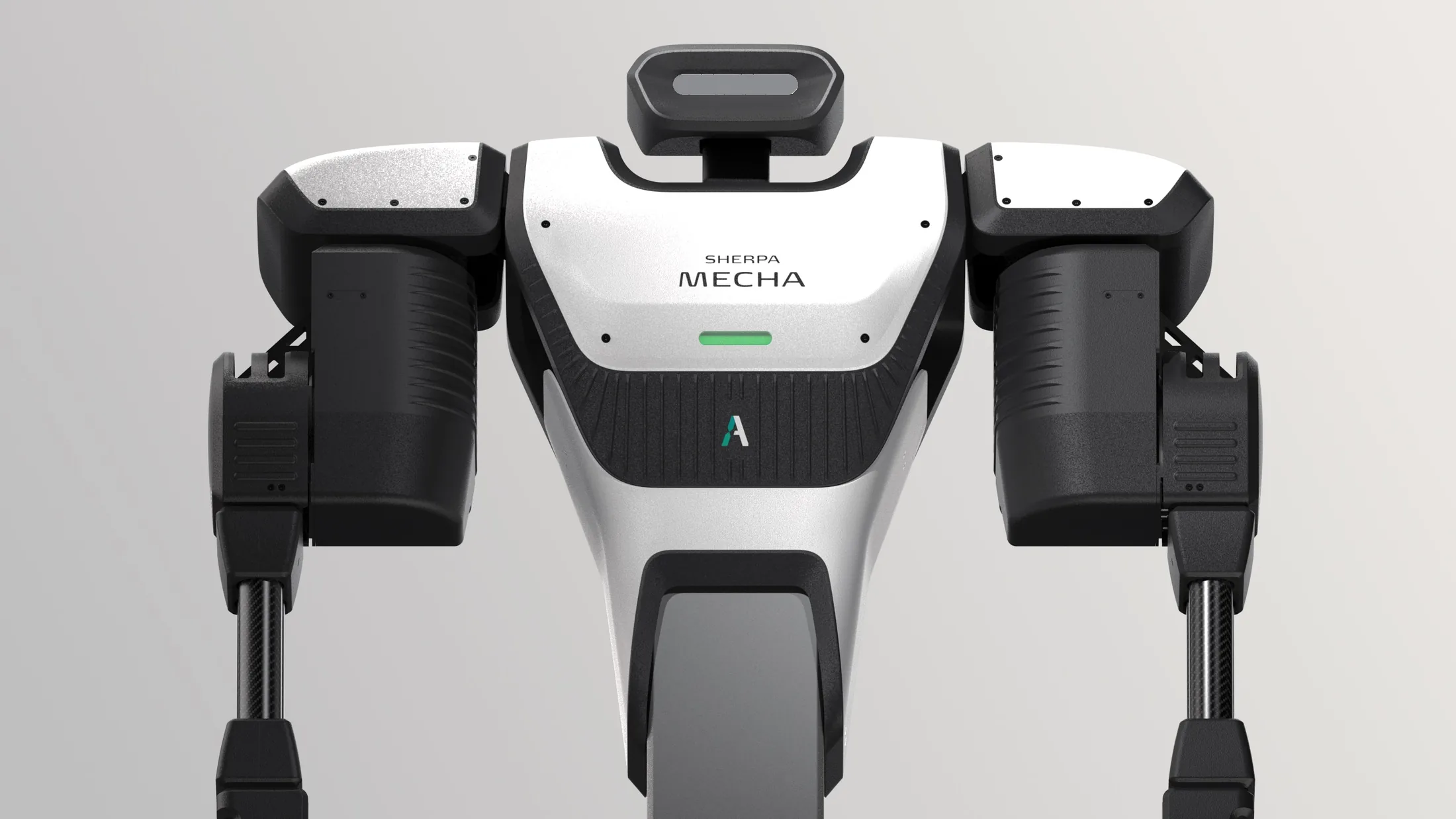

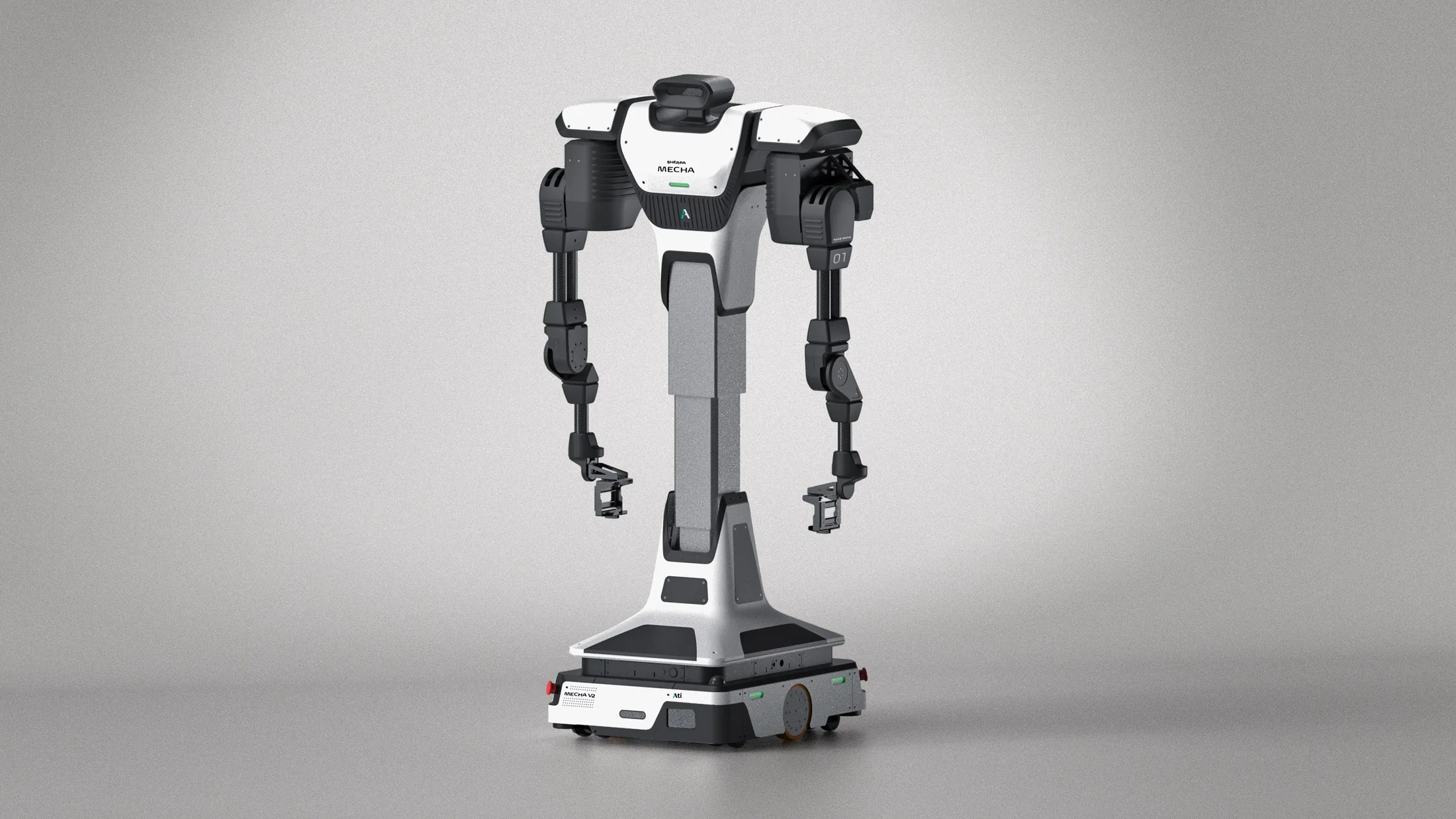
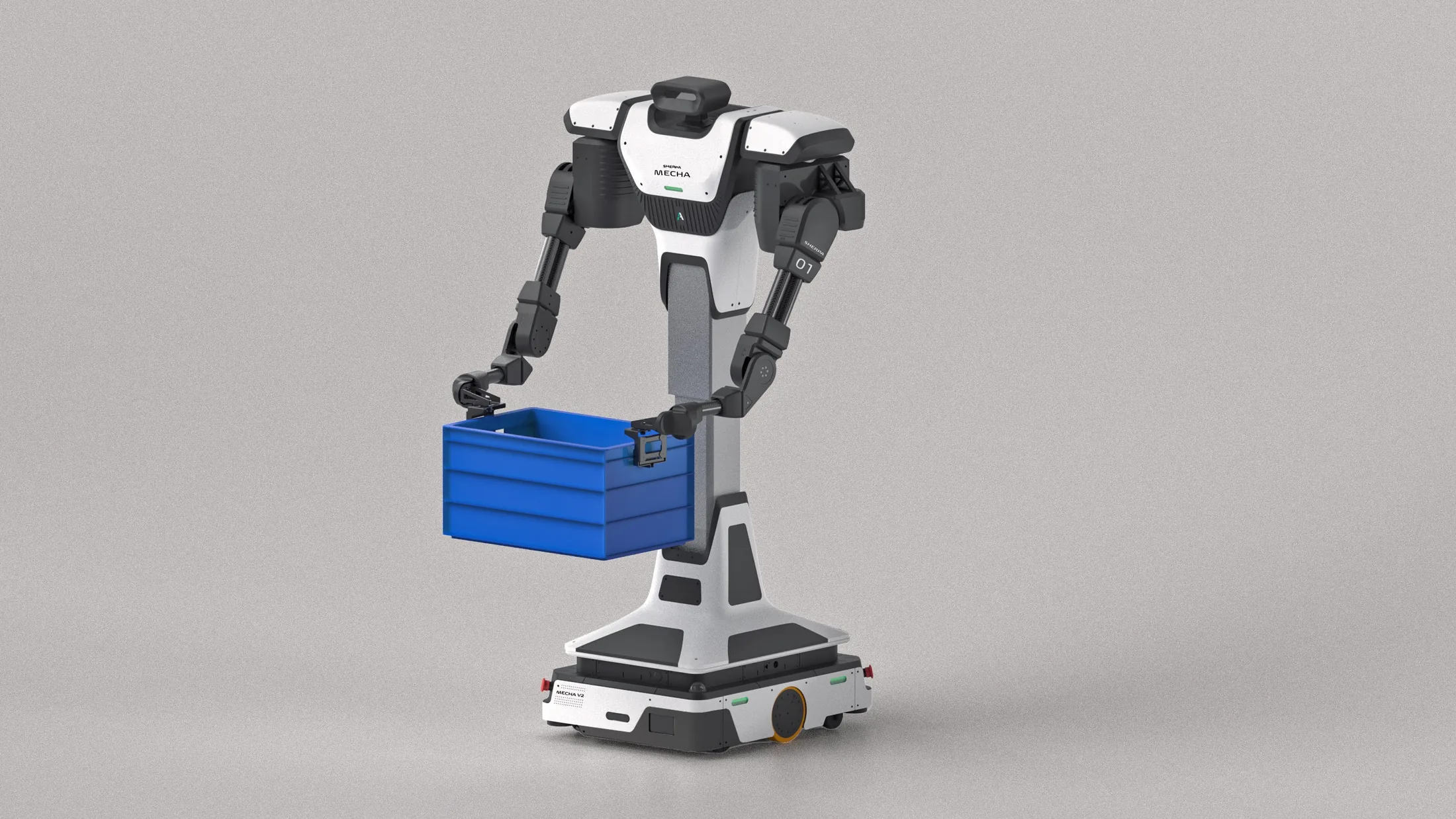
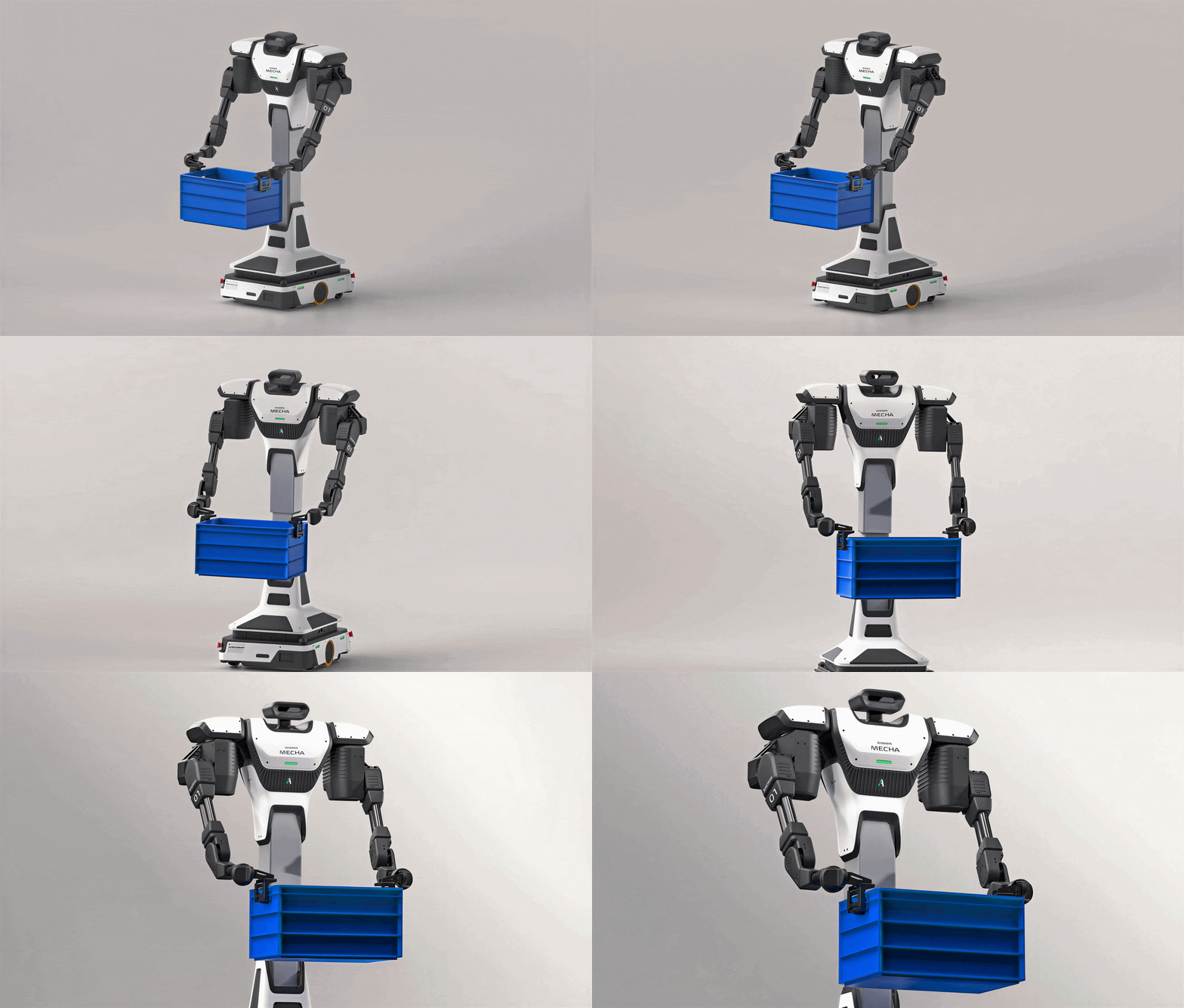
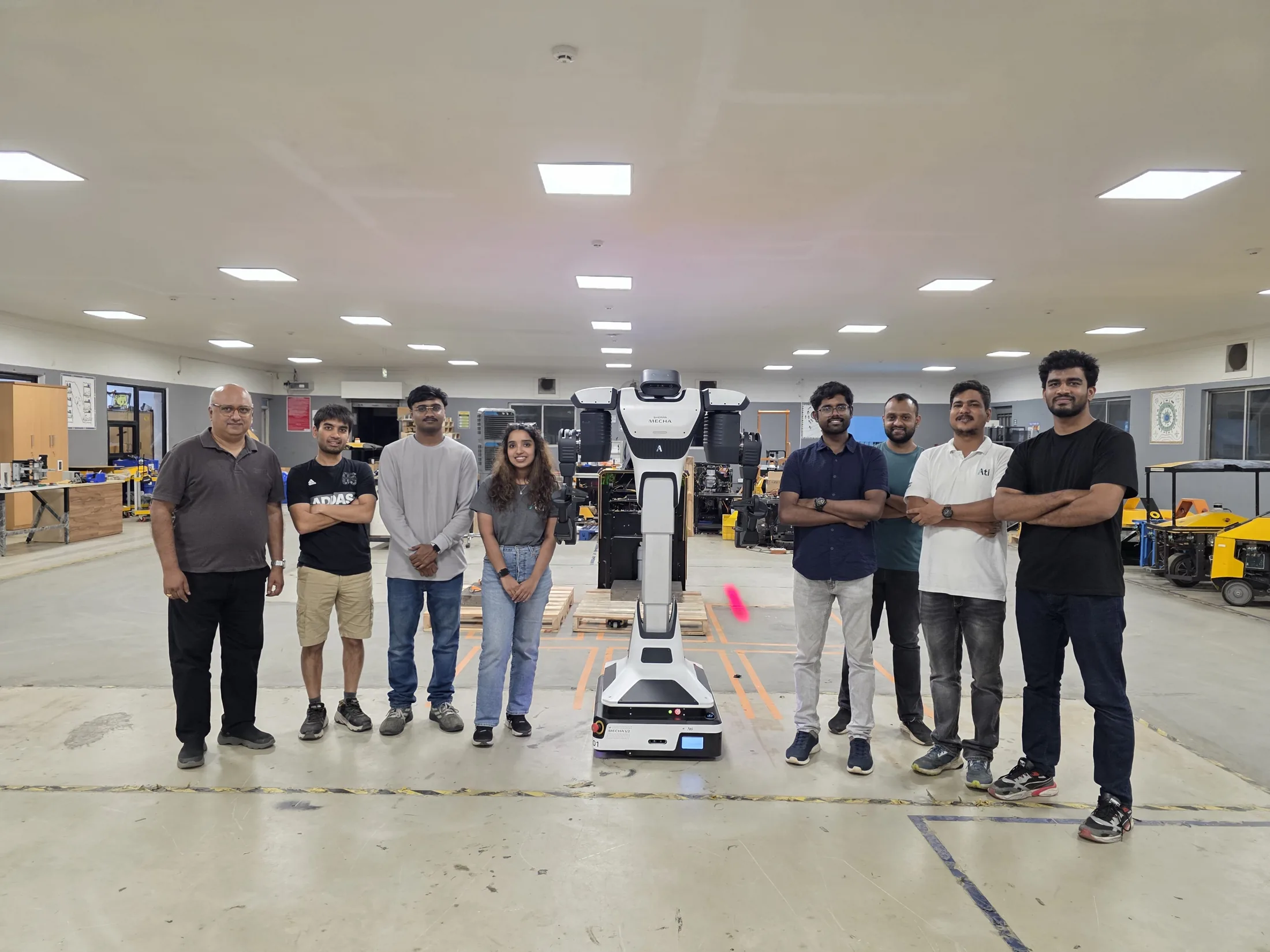
A humanoid-inspired mobile robot, designed for industrial environments.
I led the industrial design of Sherpa Mecha, working closely with multiple engineering teams throughout development.
The design balanced visual character, internal architecture, assembly logic and build feasibility.
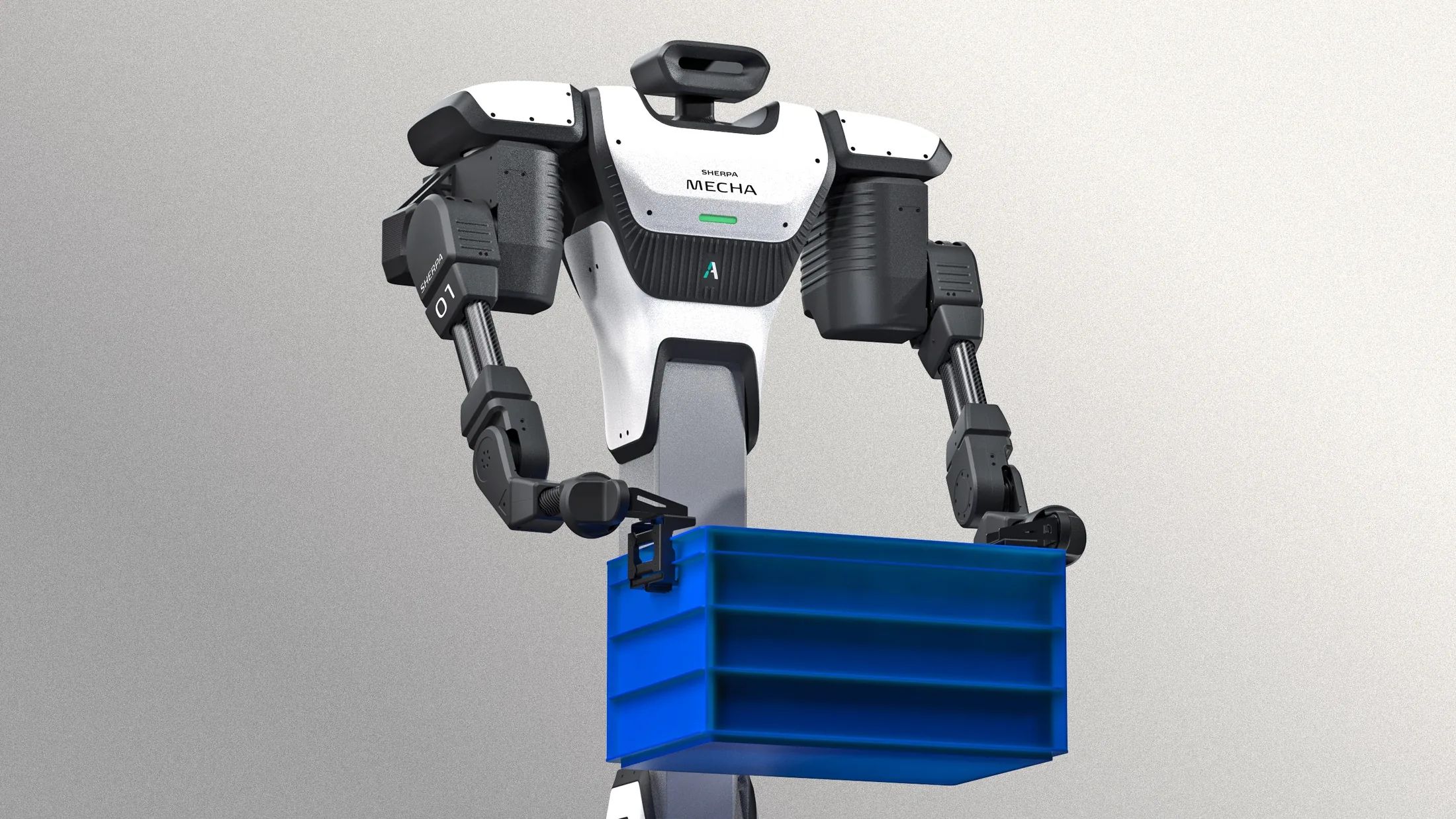
Japanese mecha and industrial machinery informed the design direction. The aim was a robot that felt strong, serviceable and ready for the factory floor.
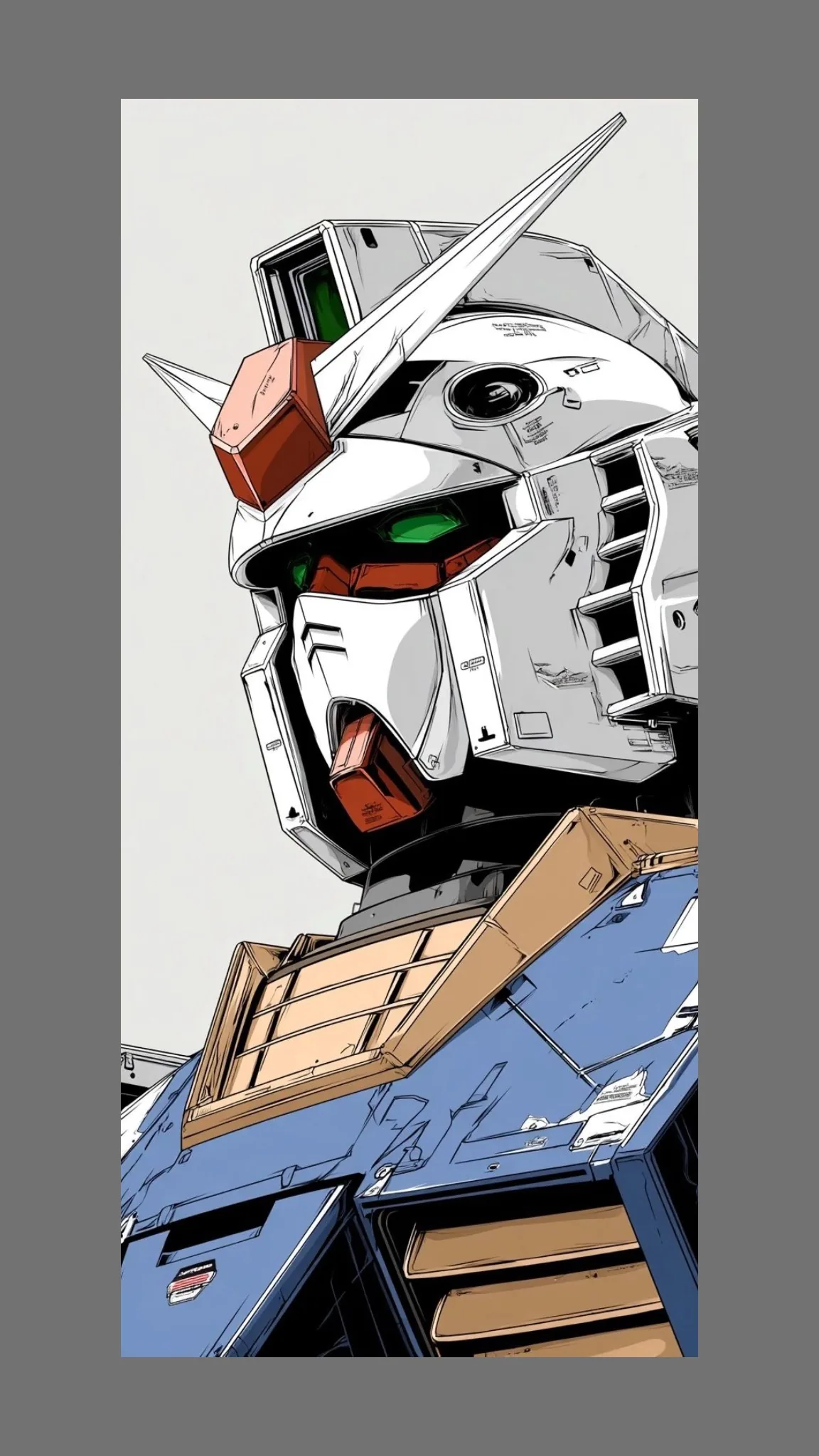
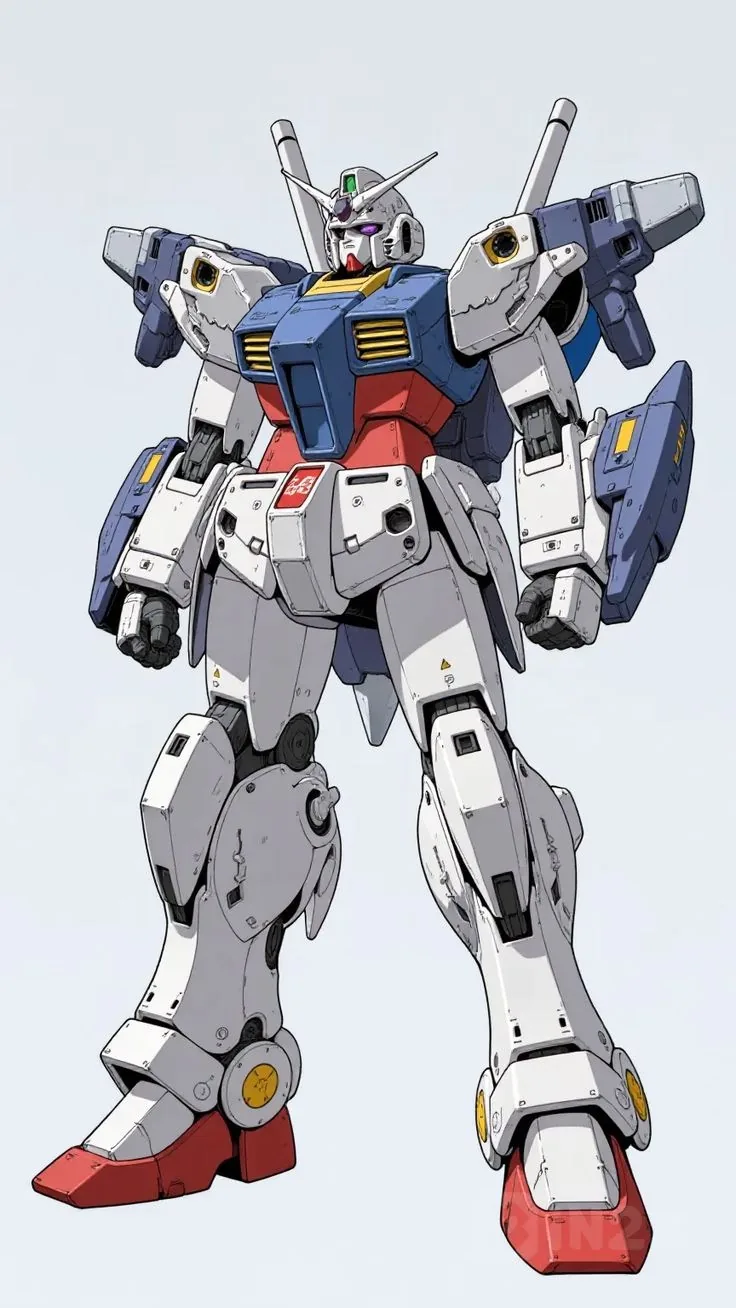
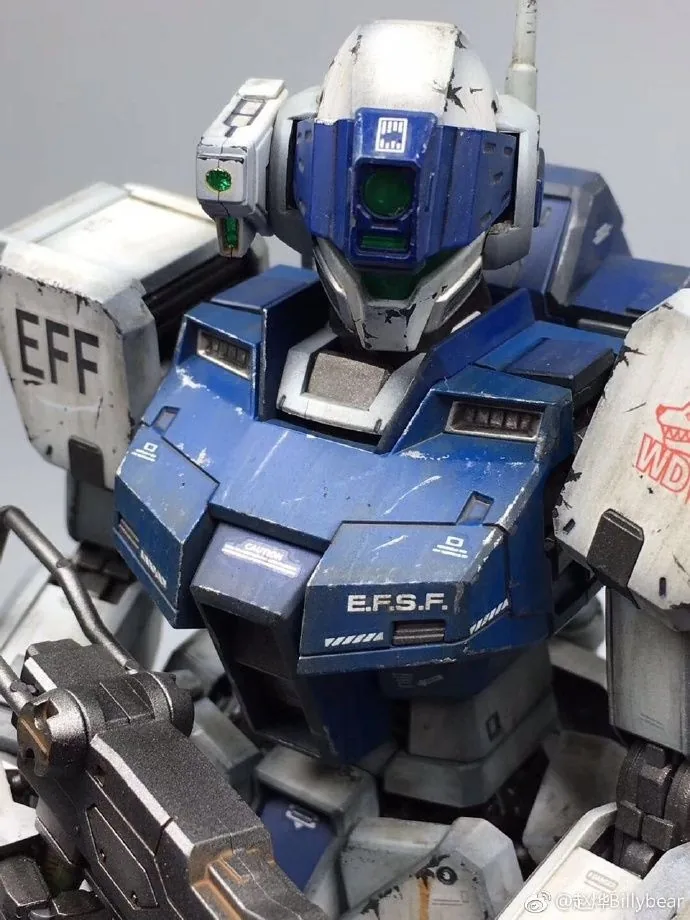
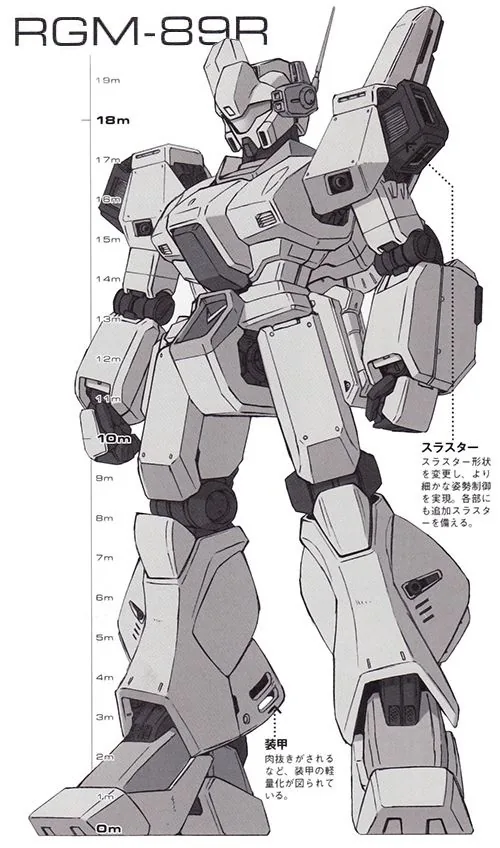
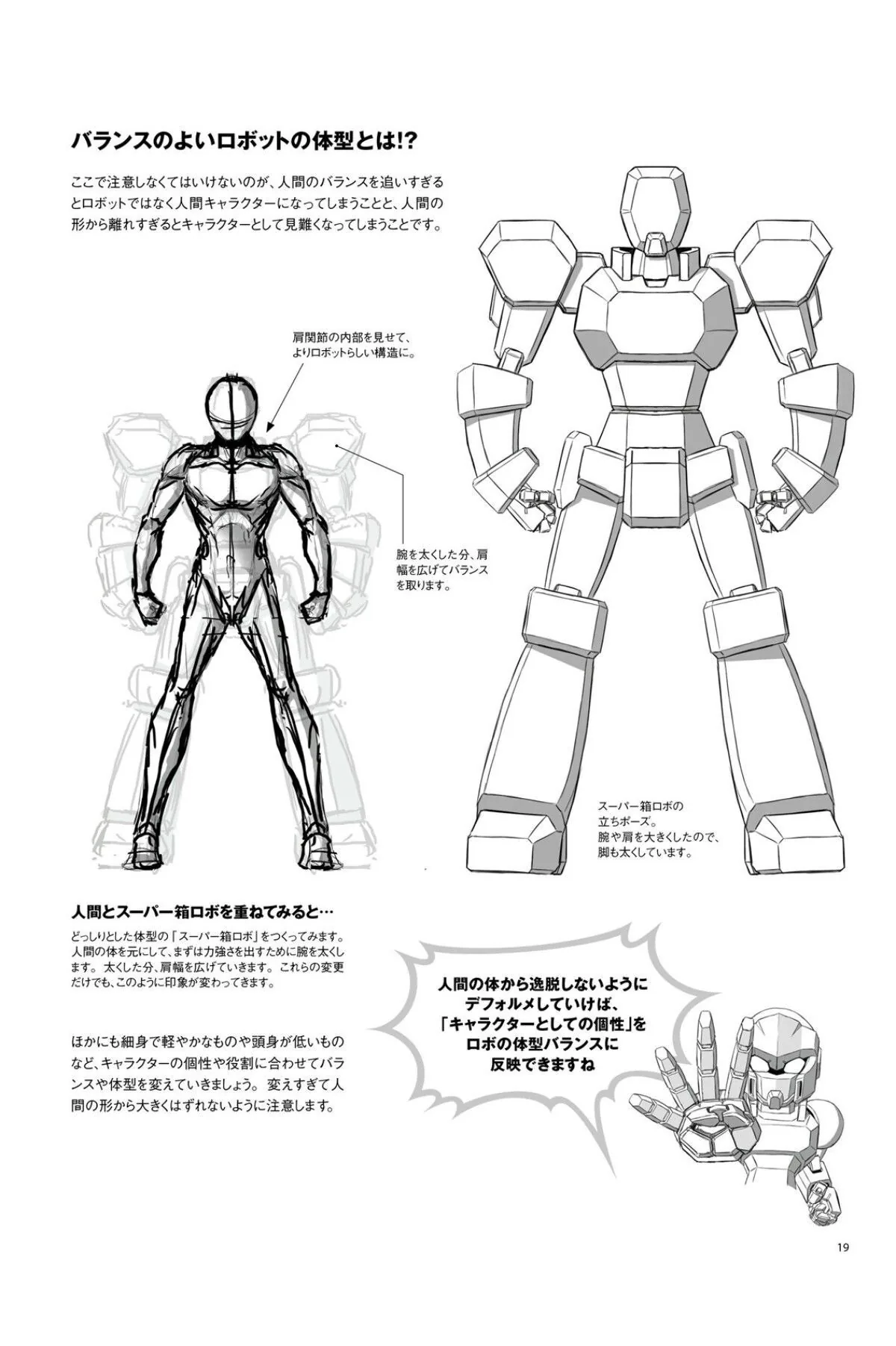
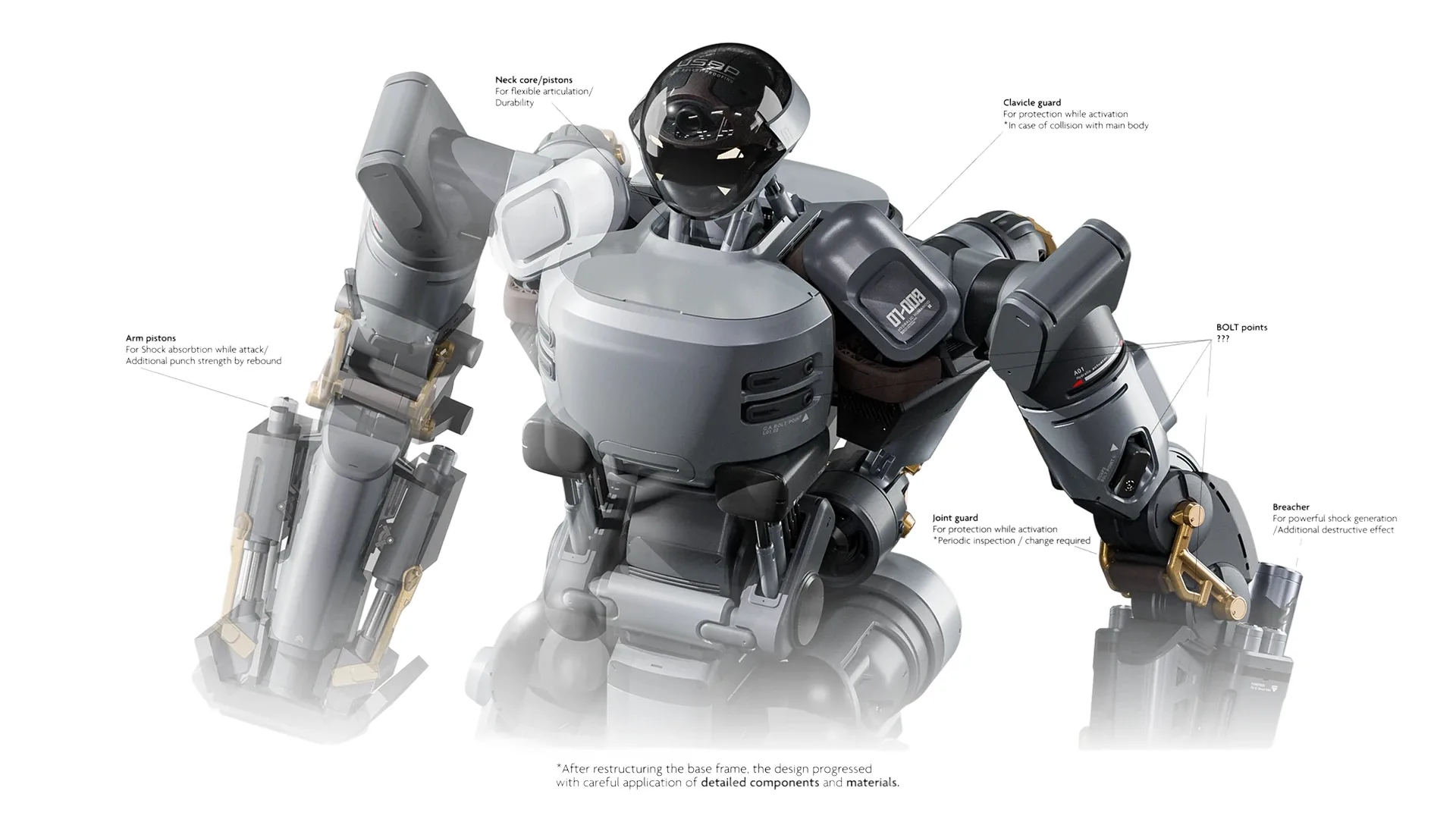
Visual research and moodboard references that informed the design direction.
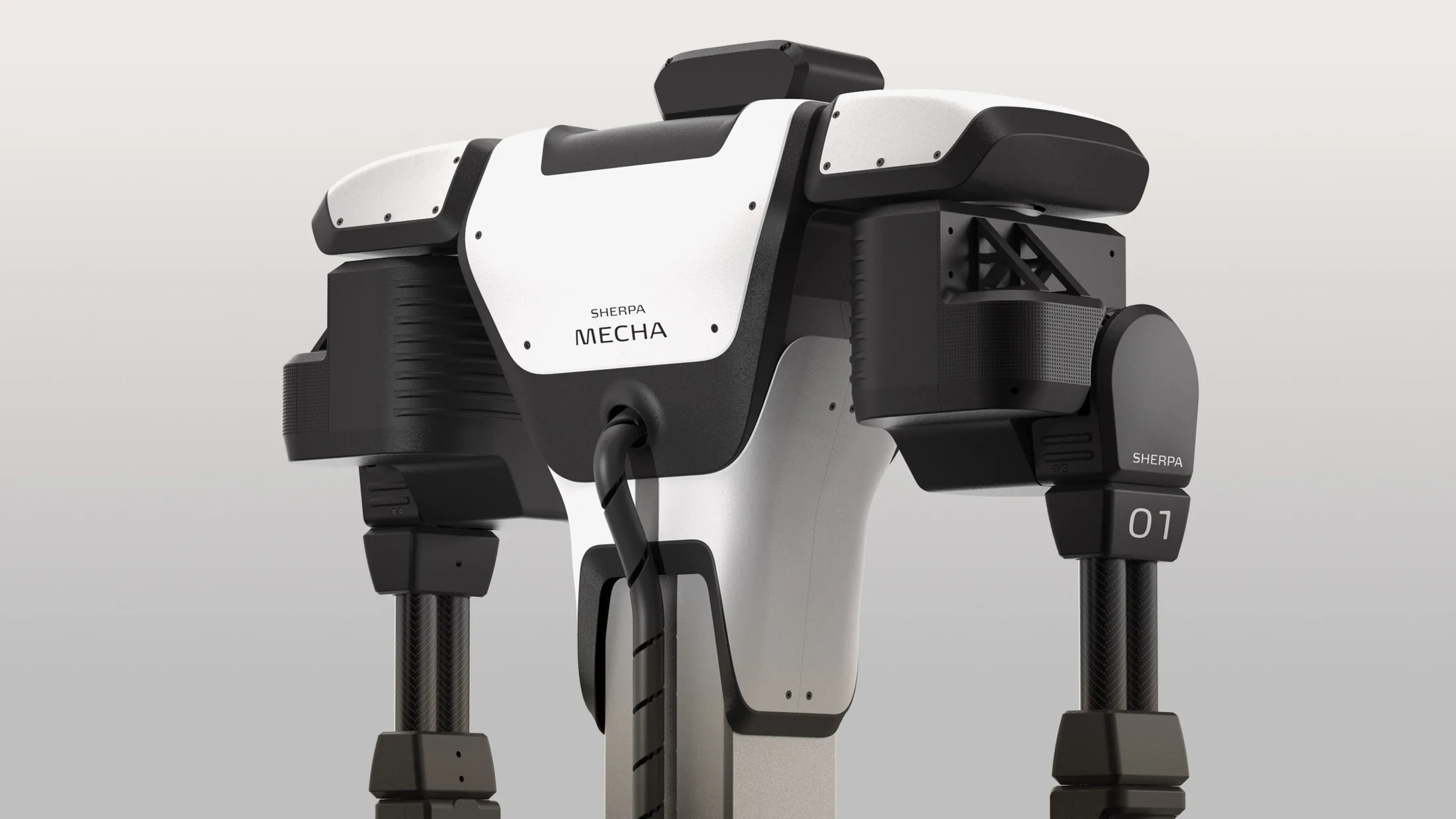
Material expression, visible construction and a modular architecture shaped the robot’s industrial identity.
Keeping the tubes visible expresses the material and gives the arms a clear structural character.
Selected screws and fastening points remain visible, reinforcing an industrial, serviceable and robust character.
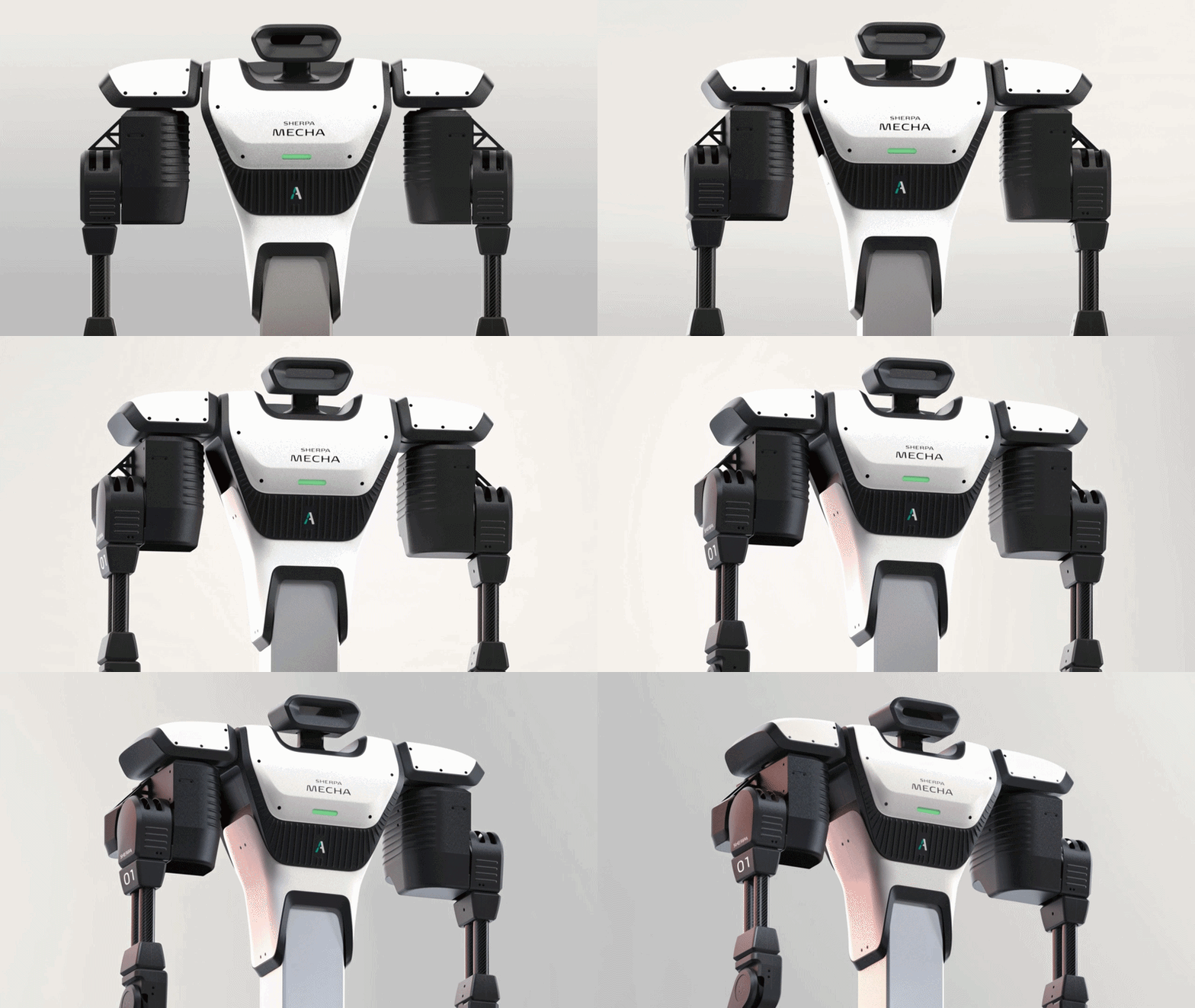
Shoulder, arm and body sections were developed as distinct modules. This kept component sizes manageable and supported assembly, disassembly and troubleshooting.
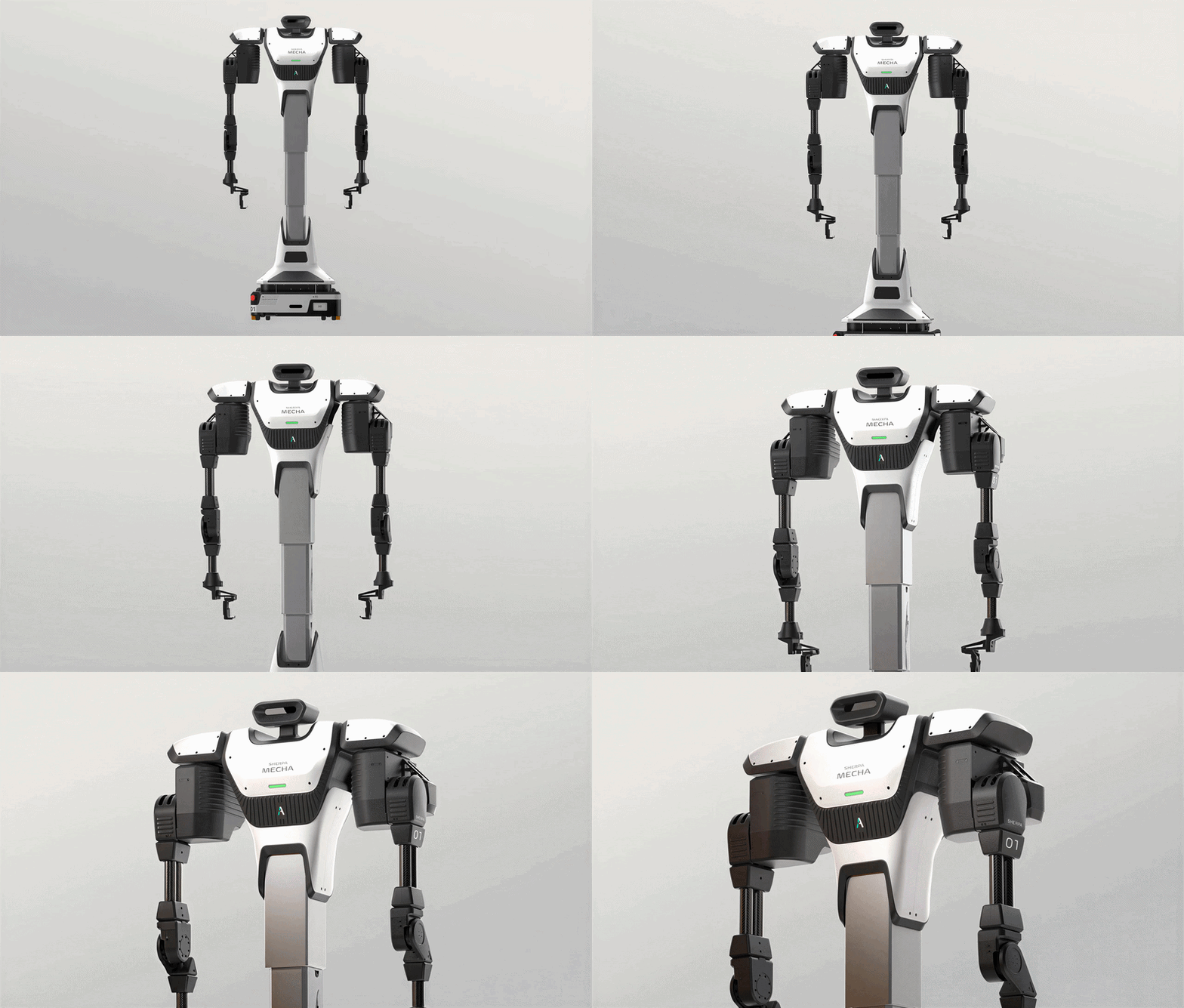
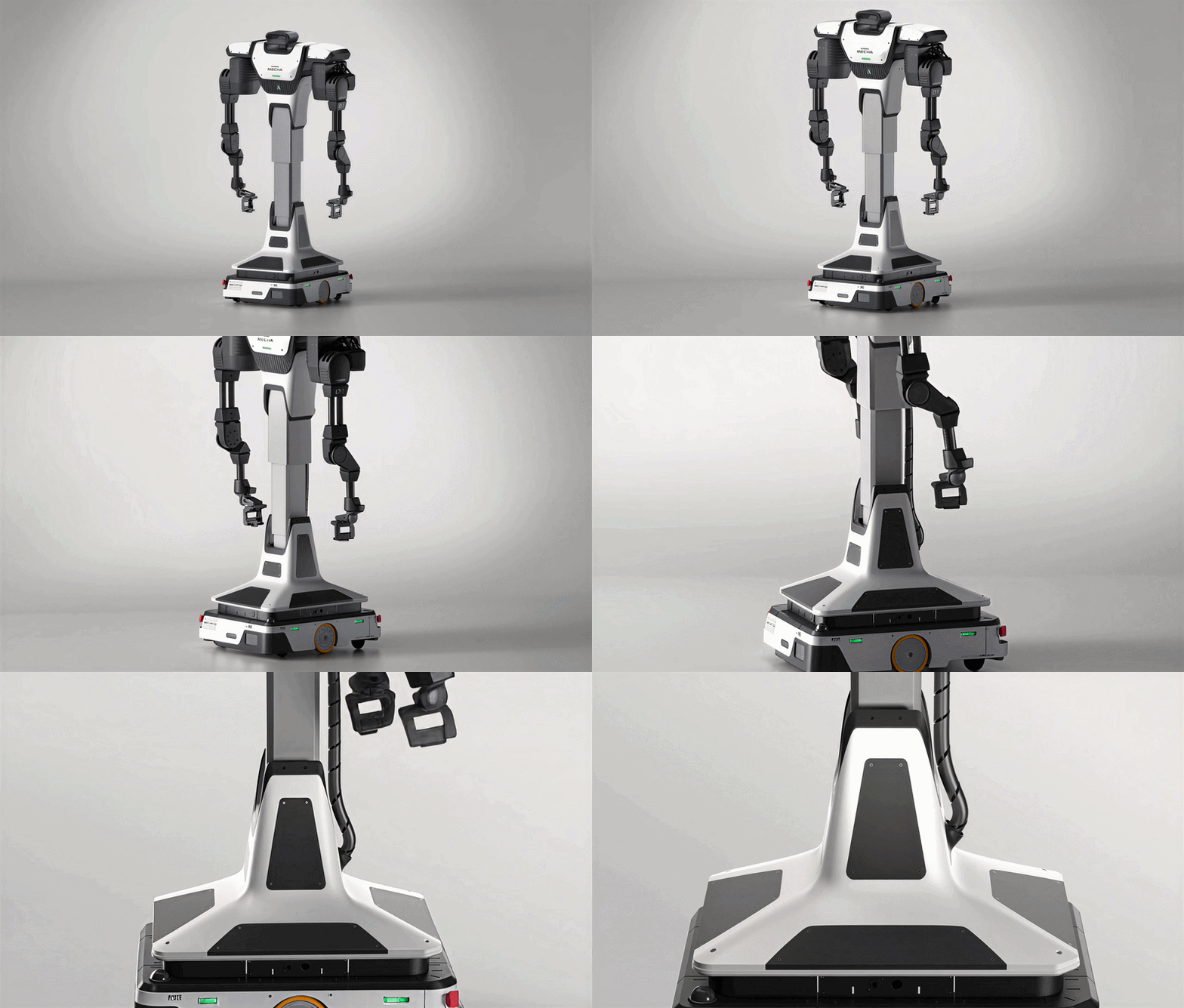
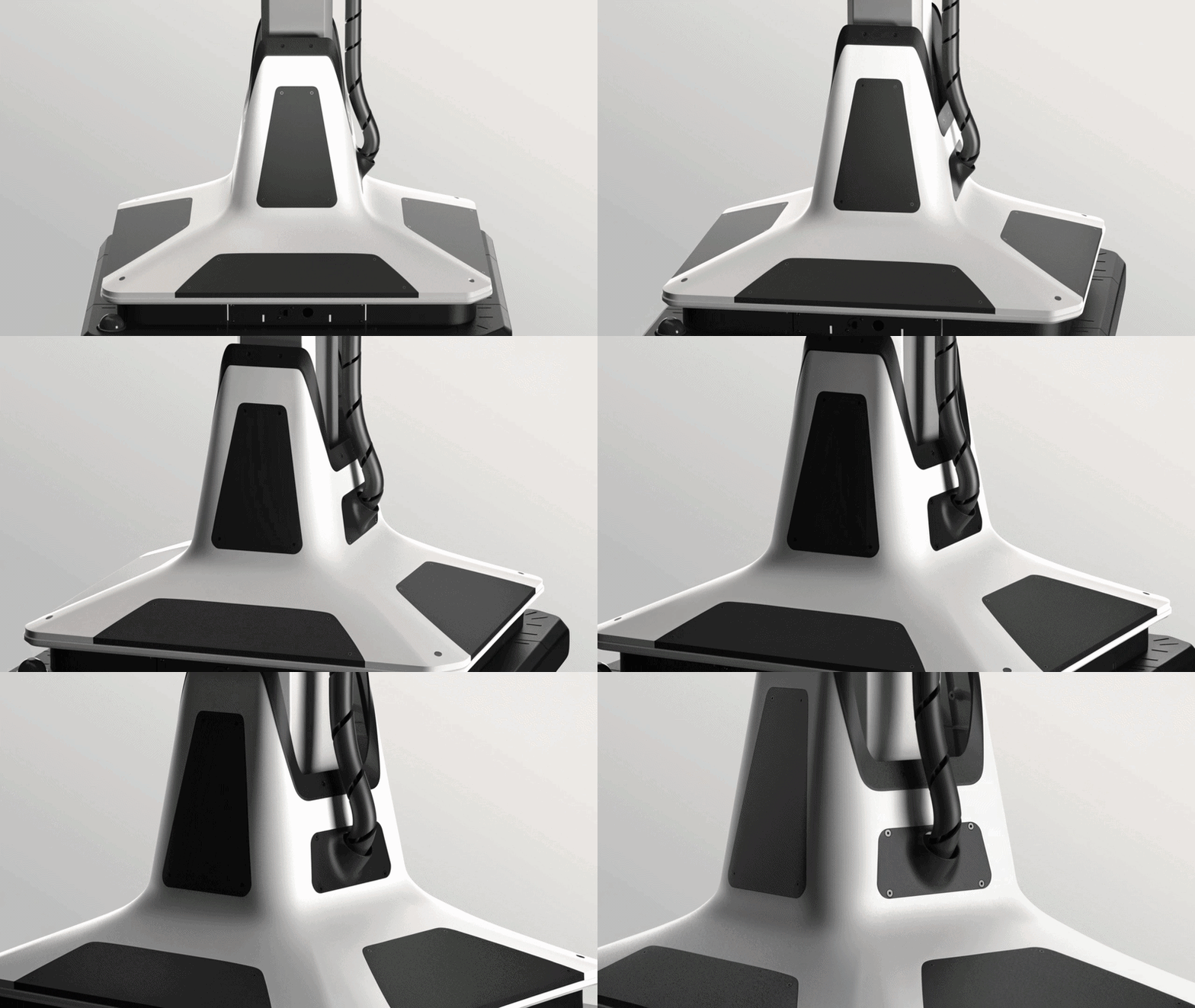
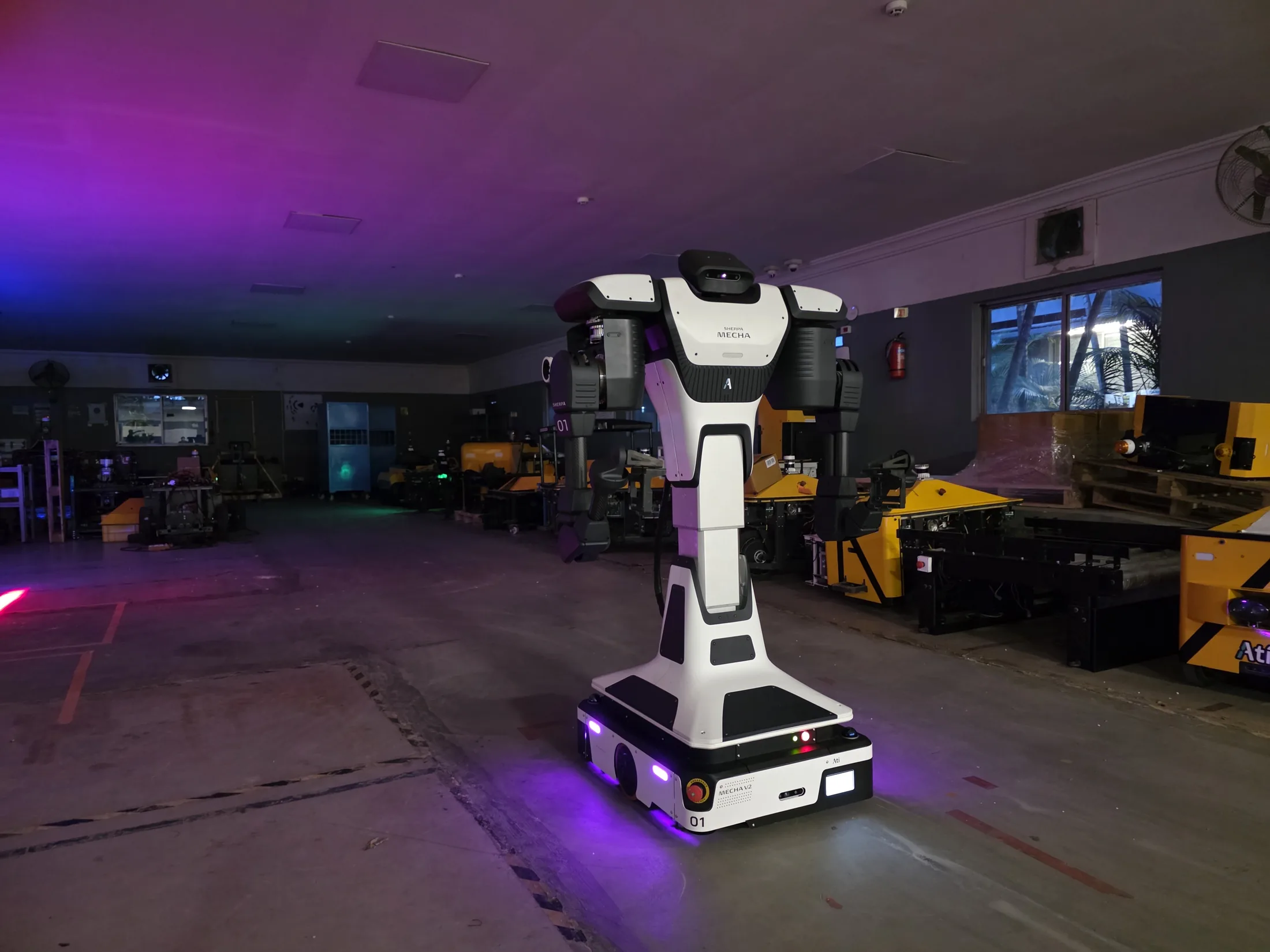
The upper structure and mobile base share a design language, bringing the robot together as one product.
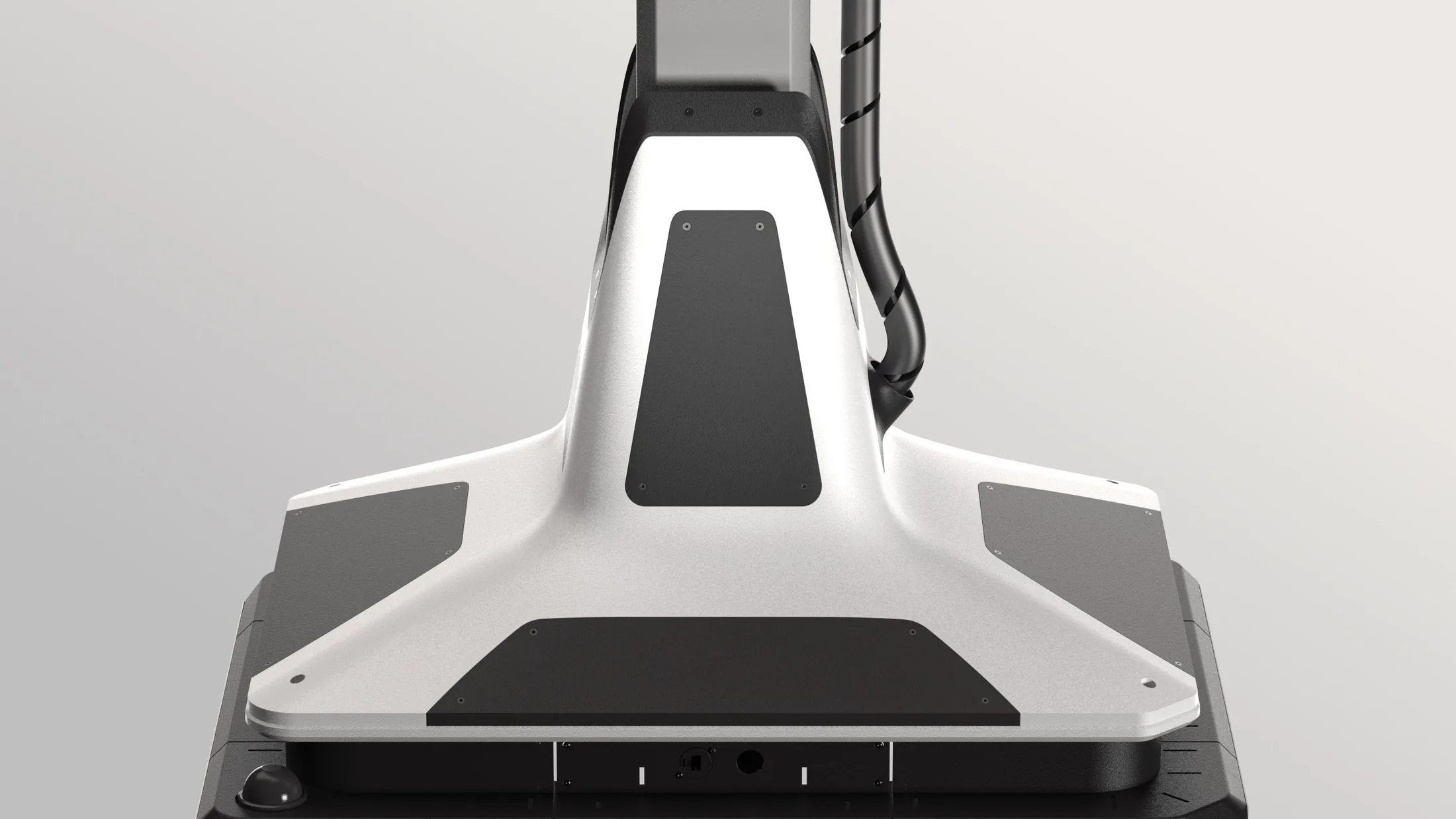
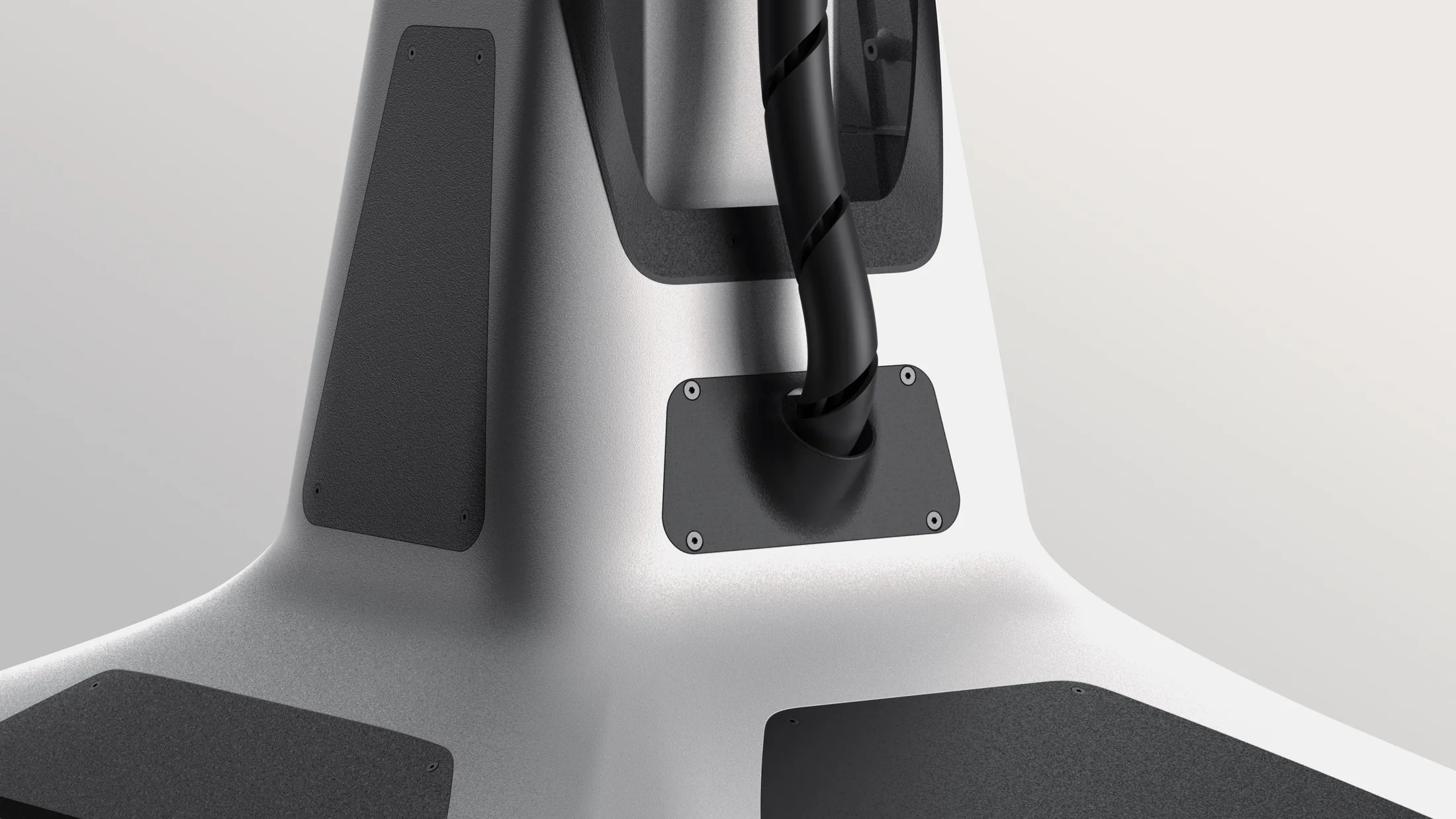
Surfaces, junctions and construction details bring visual identity, engineering and execution together.
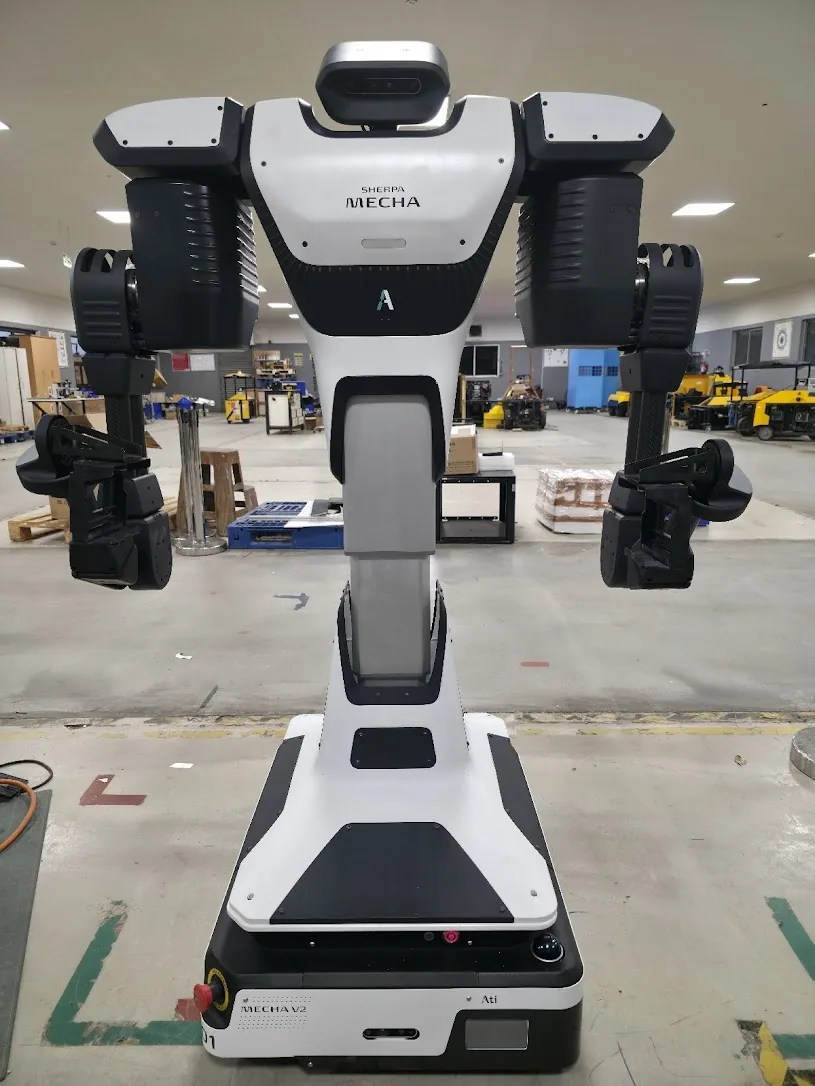
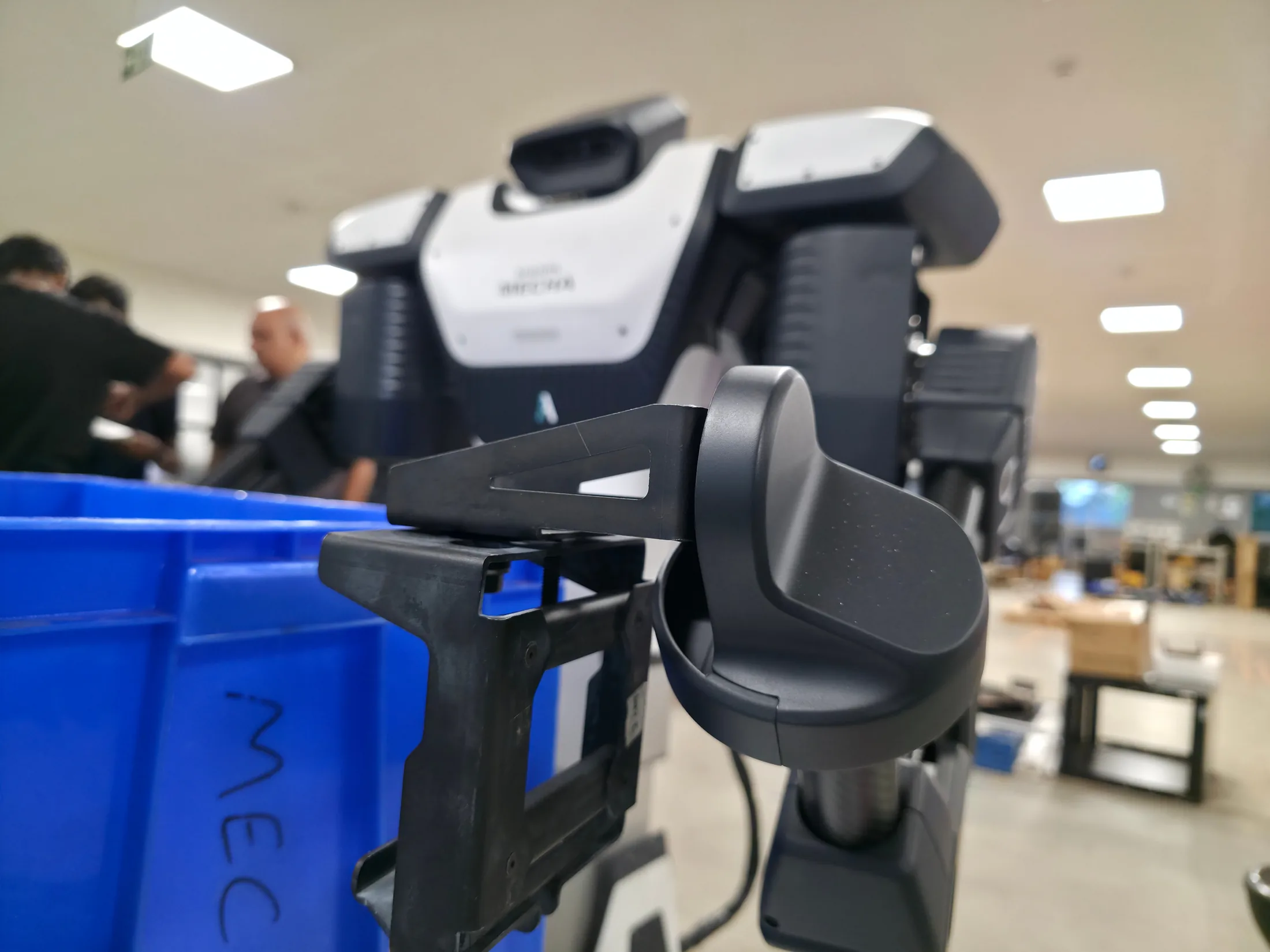
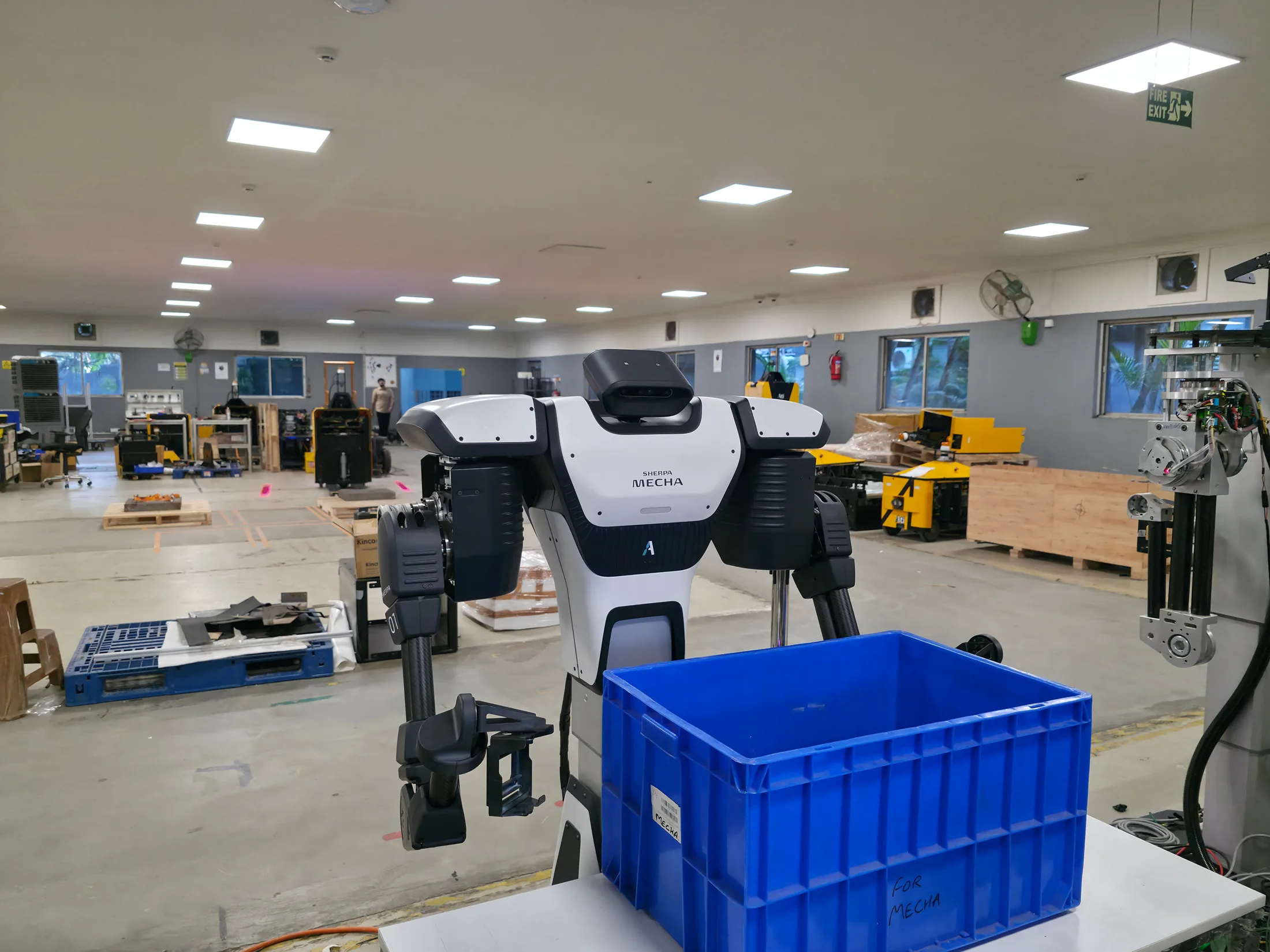
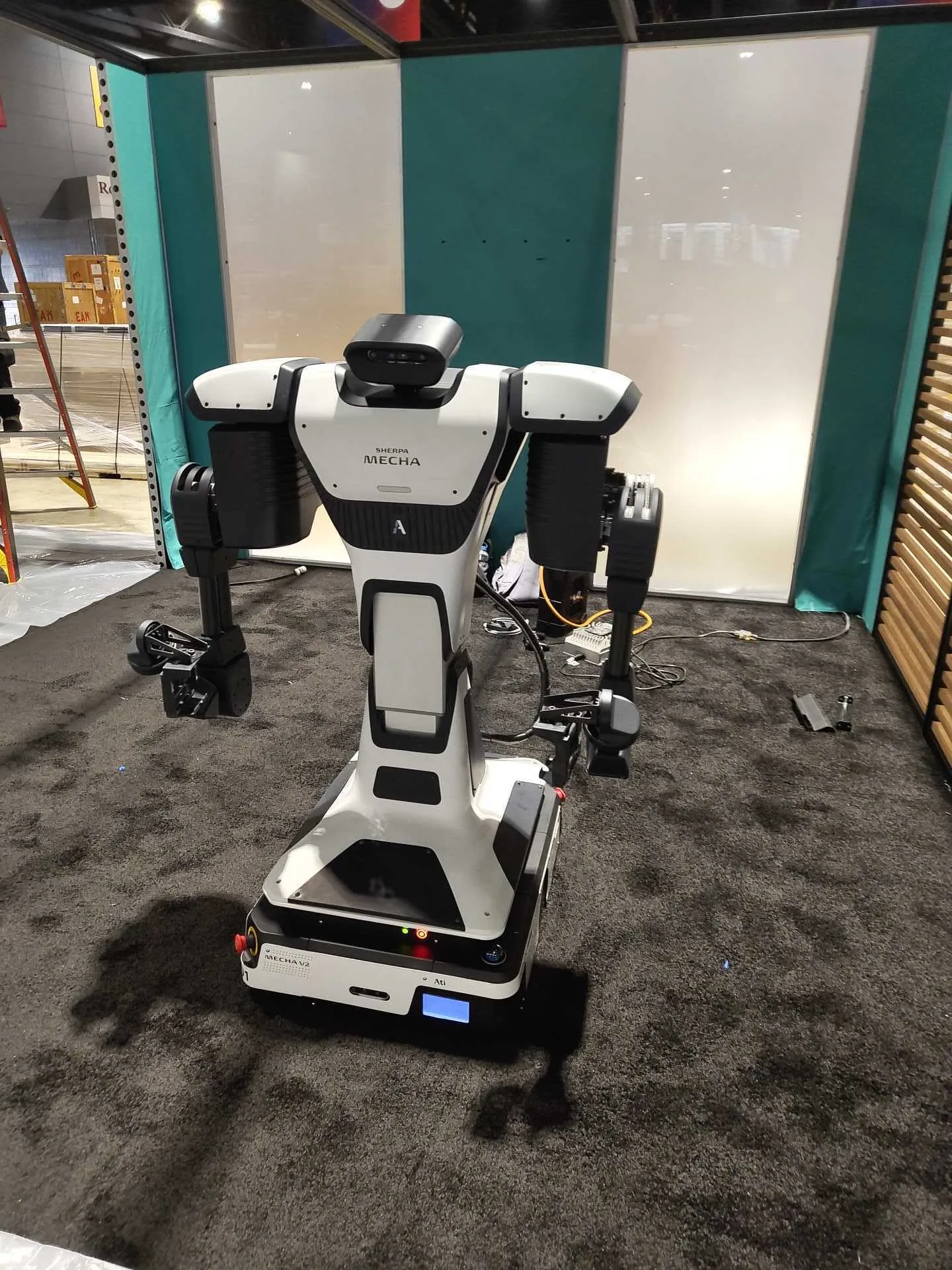
Prototyping, assembly and refinement, documented as the design moved from CAD into a physical robot.
Have a question about the project?

